

Art in Koh Samui: learning to see the island
 Koh Samui
Light, granite and sea, and why the art of Koh Samui should be made for the places it lives in.
Sean de Ganzi · Founder & Perceptual Director
Most images of Koh Samui look alike: a leaning palm, a white beach, a turquoise sea at noon. They are true, and they say almost nothing about how the island is felt.
Spend a few weeks here and another Samui appears, slower and more precise. A light that changes by the minute at the end of the day. Granite breaking through the forest. A sea whose colour depends on the hour and on the rain.
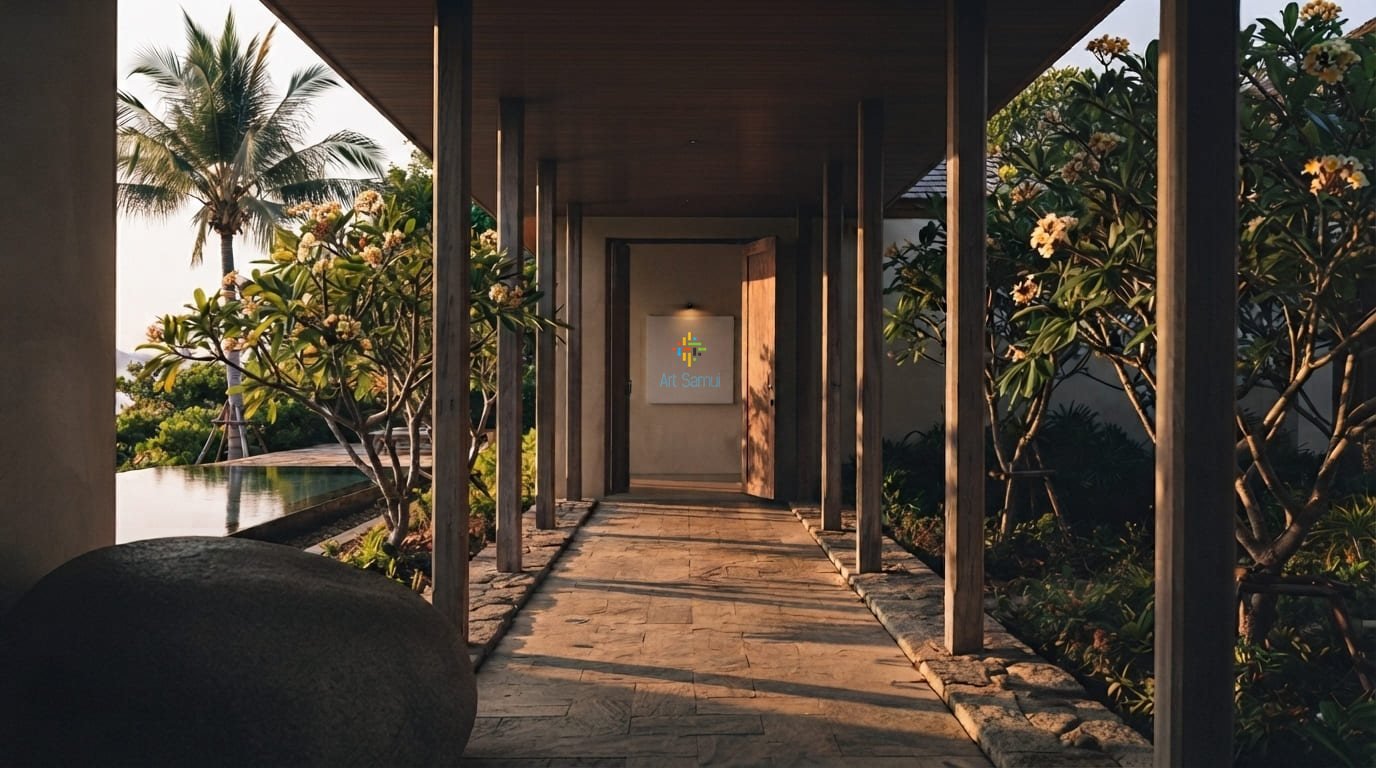
At Art Samui, a private gallery in Bophut on the north coast of the island, this is where our practice begins. Before choosing art for a place on Koh Samui, we learn to see the island it belongs to.
The light of Koh Samui
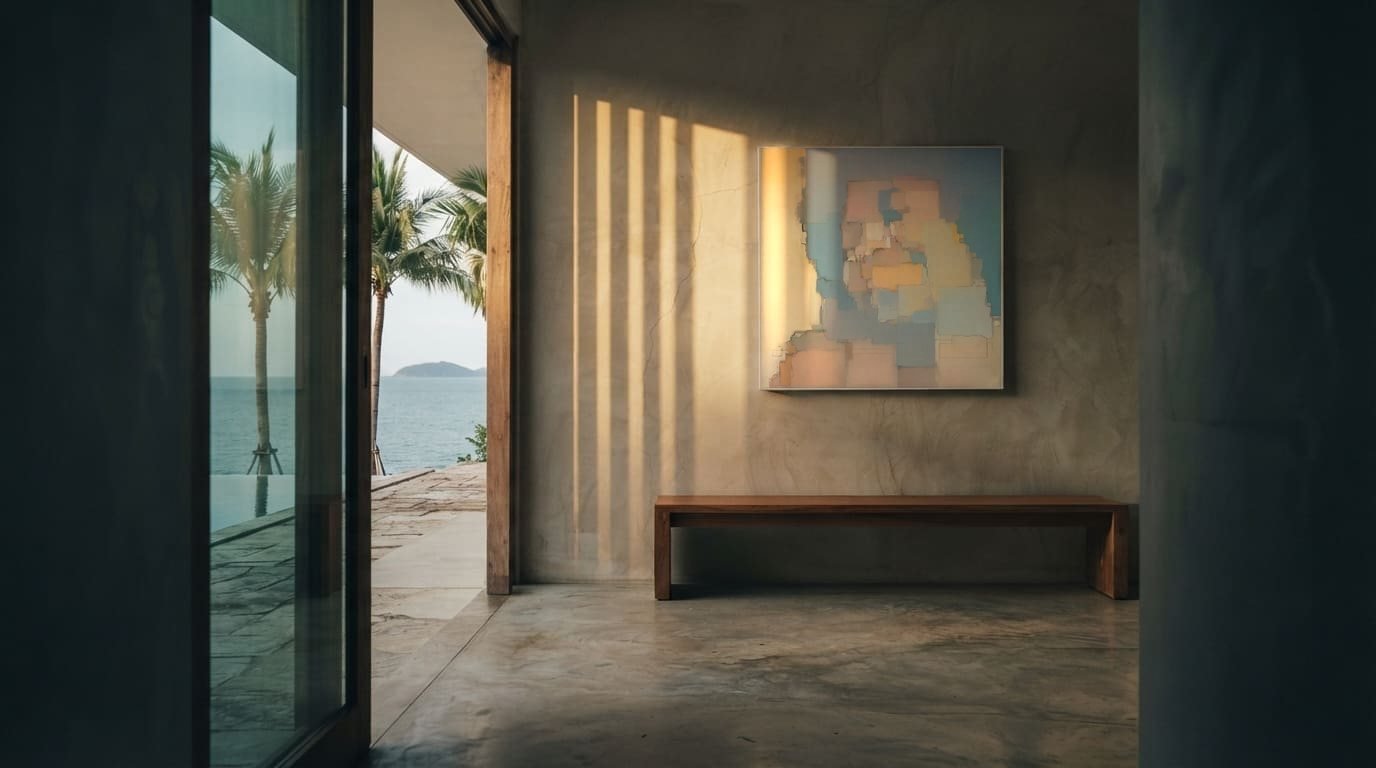
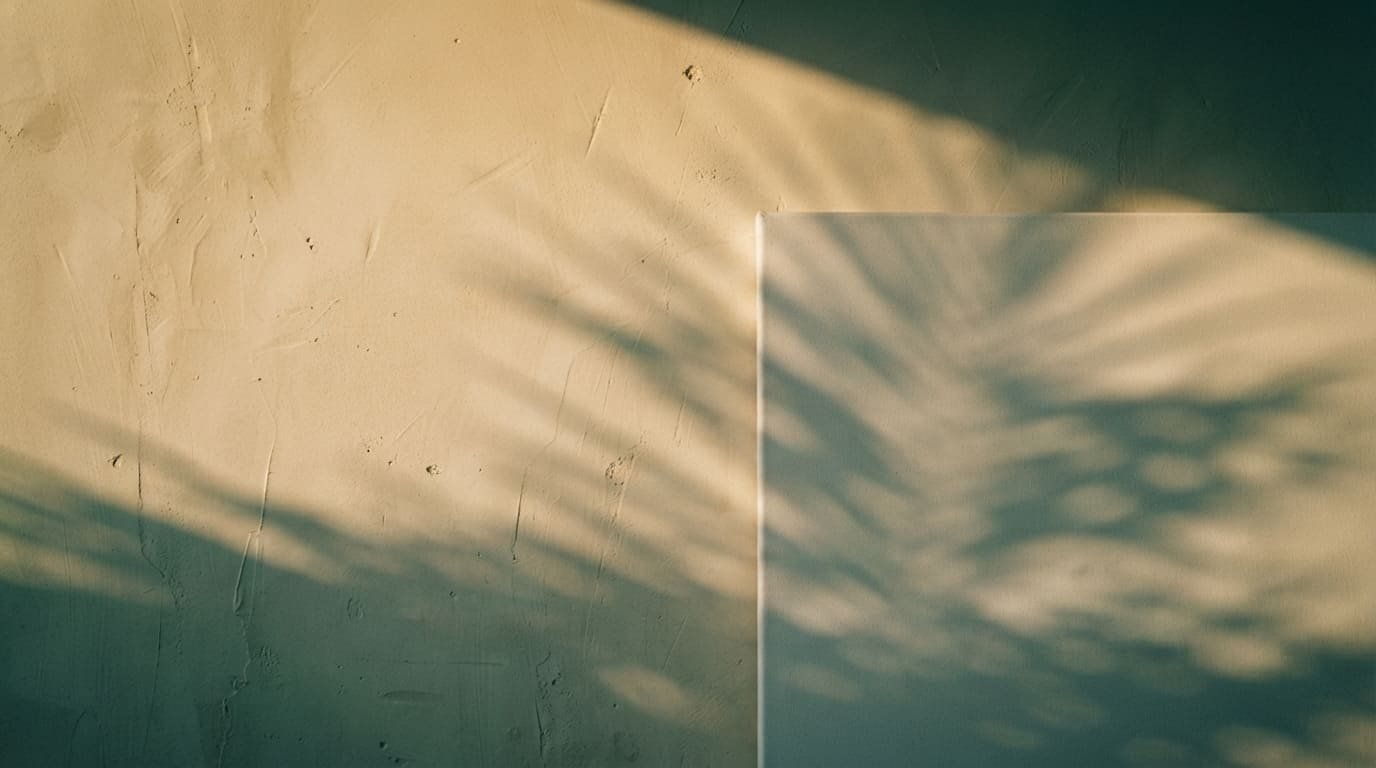
Close to the equator, the sun sets quickly. The golden hour is short, and the twilight shorter still. For an hour before sunset, the light comes in low and warm, stretches shadows across terraces and turns lime-plastered walls the colour of sand. Then, almost at once, everything cools toward blue.
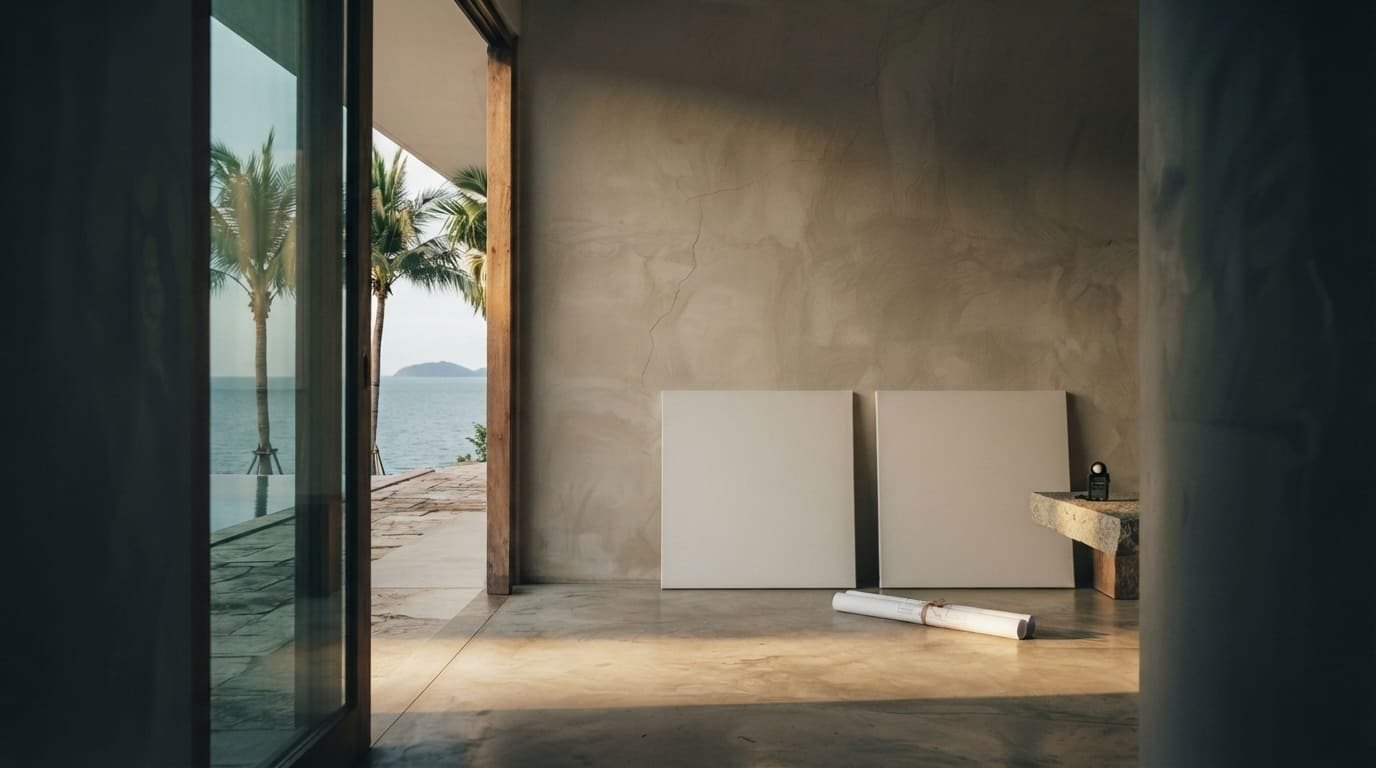
An artwork on Koh Samui is seen in this light, not in the neutral light of a studio. A palette that looks balanced at noon can turn heavy at five. A surface that seems pale in the morning can glow at dusk. Choosing art here starts with a simple question: at what time of day will it be seen most?
Granite, coconut and sea: the materials of the island
Koh Samui is a granite island. Its interior rises in rounded boulders, and the same stone appears along the coast, worn smooth by the sea. For most of its history, the island lived from its coconut groves, which shaped its economy, its paths and the rhythm of its days.
These are the true materials of Samui: warm grey granite, the brown of husk and dry fronds, the deep teal of the Gulf of Thailand when the sun is low. A place built here already carries this palette, whether or not its designers intended it.
Why imported art feels foreign here
Many villas and hotels on the island are beautifully built, and furnished with art that could hang anywhere: monochrome canvases chosen in a showroom, prints of distant landscapes, palettes borrowed from Paris or New York. Nothing is wrong with them. They simply do not answer the place.
Guests do not notice the artwork. They notice, very faintly, that something does not belong: a colour that fights the evening light, a scale that ignores the view, a subject that tells a story from somewhere else. The place is beautiful, but it does not quite feel like Koh Samui.
What art made for Koh Samui looks like
Art made for a place on Koh Samui does not need to show palm trees or sunsets. Postcard subjects are the most foreign of all: they illustrate the island instead of belonging to it.
It begins with what the place already gives: the hour of its light, the view it frames, the materials it is built from. The palette answers that light rather than competing with it. The scale answers the room and the view. And when the culture of the island is present, it is suggested rather than depicted. In our exhibition EMERGESCENCE, figures from Thai culture are not painted as images; they emerge slowly from abstract surfaces, for those who take the time to look.
We call this Perceptive Art: artworks chosen or created for what they make felt in a place. It is the heart of Perceptual Direction, the discipline we practise across the island. Read about our approach →
Art for the villas, hotels and spas of Koh Samui
Each kind of place asks something different of its art.
A villa should feel lived in, not styled for a photograph. Art for villas and residences →
A hotel should be felt as one story, from arrival to departure. Art for hotels and resorts →
A spa should be quiet: rest begins before the first treatment. Art for spas and retreats →
A development should decide how it will be felt while its plans are still open. Art for developments →
In every case, the artworks are chosen or commissioned for one place, and hung where they answer its light, its view and its story.
Seeing art in Bophut
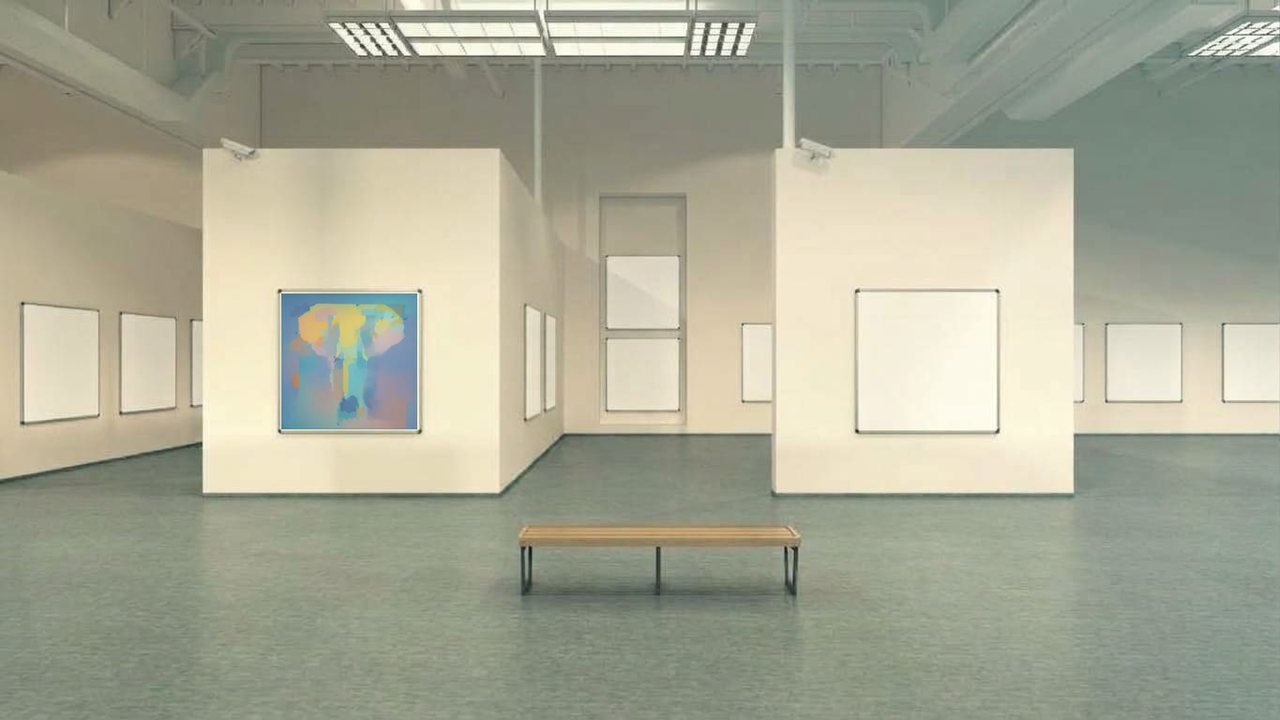
Art Samui is a private art gallery in Bophut, on the north coast of Koh Samui. It shows a selection of artworks from our collections, created by Sean de Ganzi or by our partner artists, under our direction. Visits are by appointment: write to contact@artsamui.com or arrange a visit. About the gallery →
Questions about art in Koh Samui
Is there an art gallery in Bophut, Koh Samui?
Yes. Art Samui is a private art gallery in Bophut, on the north coast of the island. It receives visitors by appointment.
Can I commission an artwork for my villa in Koh Samui?
Yes. Each commission begins with a reading of the place: its light, its view and the way it is lived in. The artwork is then chosen or produced for that place only.
Do you work with hotels, spas and developers in Koh Samui?
Yes. We calibrate the artworks of hotels, resorts, spas and residences, and we work with developers and architects from the first plans of a project.
What is Perceptive Art?
Artworks chosen or created for what they make felt in a place, not only for how they look.
Before art, there is the island. Everything placed on it should answer it.